Eric
Eric
Why Learning To Play The Piano Is Joy Not Obligation
Learning piano sounds similar to being faced with a sea of difficulties and long, monotonous hours of practice. But what if we turn this perception upside down? Not a burdensome process, learning is a wonderful journey with discoveries and just great pleasure. We should restore sincere joy, which initially attracted us to music—that’s the main goal for us—developers. This is joyful learning in action, powered by interactive lessons, musical games, piano gamification, and a spirit of Talented fun that keeps practice playful.
Why can the piano itself become a source of joy?
- Instant feedback. After just the first lessons, simple melodies that delight and motivate can be heard.
- Self-expression: a possibility. Music is the universal language which could tell each different story.
- Flexibility and freedom. Learning can take place at any time that is convenient, in a pace that balances discipline and creativity.
- Positive impact on the brain: Attention, memory, and creativity are developed by playing the instrument — in this, too, joy of discovering oneself exists.
Thus, the most important thing is to approach learning not as a routine, but as a game and exploration. Our experience shows: when pleasure becomes a priority, results come naturally and without tension.
Modern Technologies That Encourage Novice Musicians
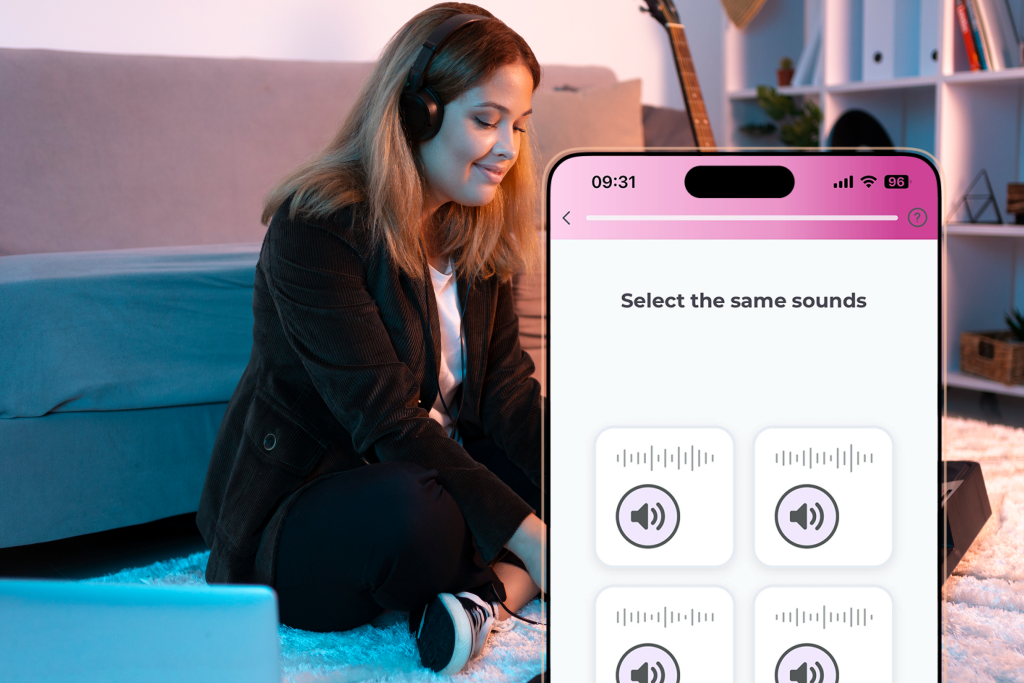
More simple and more interesting than ever has learning piano become in the era of smartphones and tablets. Technologies change the rules of the game, turning the process into an interactive adventure. What opportunities exactly today do innovative tools open for beginners—it is important to understand. For discovery without friction, many learners start with free good piano apps to test fit before committing.
Main advantages of technologies for music learning:
| Feature | Description | Benefits |
| Interactive lessons | Instant feedback, error correction | Fast progress |
| Custom plans | According to user profile level, preferences, and time | Maximum efficiency |
| Gamification | Tasks, achievements, and challenges | Motivation retention |
| Visualization of notes and rhythm | Clear interface with the animation of keys and musical tracks | Easy material perception |
| Social features | Communication and joint challenges with other learners | Support and inspiration |
With the help of mobile applications, a beginning pianist gets the option to learn:
— Anytime of the day or night, without schedule bound
— From any point in the world, excepting the need to attend studios
— With maximum personalization in learning, adapting during the process
It is these technologies that make the study process exciting, diminish the fear of making mistakes, and turn complicated things accessible. Thanks to modern programs, the learning process is no longer a painful obligation but an interesting hobby you want to develop further. We believe that digital assistants can make music learning not only effective but genuinely joyful. And this is just the beginning of the changes which await musicians of the future.
Applications Like Talented Overview How They Change The Approach To Learning
Learning to play the piano in the digital age is undergoing significant changes, and applications such as Talented occupy a particular place in this transformational flow. A number of key features, as further described below, change not only the format but also the very perception of music lessons due to such programs.
- Learning personalization. Lessons are created by Talented, focused on the student’s level and speed, via a special development trajectory that is free from both pressure and monotony. This means that boring exercises won’t trap beginners, nor will advanced users be bored.
- Real-time feedback. Comparing to traditional methods, the app analyzes your mistakes and gives very specific advice on how to correct them. All this immediate feedback allows for quicker technique adjustment, developing one’s ear.
- The lesson format is different: on one platform, videos and exercises in the form of sheet music allow learning interactively, and even with games.
- Accessibility and flexibility. One can practice at any time and place, not being tied to the schedule of a teacher. Especially, this is valuable for those who combine music with either work or studies.
Thus, applications like Talented do not only simplify the process of learning but also make it more appealing for modern-day people by sustaining interest and helping to develop musical skills naturally—delivering interactive lessons that feel like musical games and lighthearted practice.
Interactivity And Gamification Keeping Motivation And Interest
Motivation is crucial to the mastery of any new skill, including piano playing. For this reason, all modern music apps actively implement some form of gamification elements, making ordinary lessons engaging and exciting. The most important tools that support interest are considered below.
- Points and achievements. After finishing each certain task, users get points, new levels open, or some virtual rewards are received. This stimulates progress and overcoming difficulties.
- Competitions and challenges. The ability to compare results with others or participate in online music contests increases excitement and the desire to improve.
- Interactive interface: Visual pointers, animation, and sound effects serve to make the lessons vivid and diverse. This helps preserve concentration and reduces the sensation of routine work.
- Personal goals and plans: The app helps users to set certain tasks and track their progress so that learning becomes transparent and meaningful.
All these elements combined create a very unique atmosphere in which piano practice is no longer a burden, but rather an interesting, creative adventure. Not only does piano gamification keep motivation at its best, but musical intuition is developed in comfortable and supportive conditions, making room for Talented fun and sustained momentum.
How To Choose An Application According To Your Needs And Level
Today’s task is not an easy one: to find the perfect app for learning piano. After all, how comfortable and interesting the process will be depends directly on the choice. So as not to get lost in variety, several key criteria let us consider:
- Preparation level. Apps featuring simple lessons, breakdowns of notes, tempo options, and basic exercises are perfect for novices. Advanced users need software that provides options to work on technique, expanded repertoire, and playing analytics.
- Learning goals: Some find the development of musical hearing and rhythm important, others value the fastest mastering of popular compositions, and for the third it is preparation for exams. Under these priorities, the application should tune in and offer corresponding courses and tasks.
- Interface and convenience. While working with an instrument, distractions come from unnecessary complications. Optimal is a clear and intuitive design which won’t make time wasting on figuring things out.
- Interactive features. These enhance motivation: instant feedback, use of gamification, and connecting to communities of like-minded people.
- Compatibility and availability. It is quite convenient that the application works on different devices and allows the preservation of progress in the cloud.
It’s highly recommended to try free versions or demo tests of several apps before settling on the right one—to feel which one “sounds” exactly for you and supports joyful learning.
Tips For Effective App Use In Self-Study
Self-study of piano with digital apps gives the joy of discoveries, provided the process approach you do with wisdom. Help not to lose the enthusiasm and achieve results, here are some recommendations:
- Plan your sessions. Like setting an appointment with a good friend, define days and times to practice. Habit is strengthened with consistency, progress it fosters.
- Set specific goals. Break lessons down into small achievements: mastering a scale, playing a simple melody, improving rhythm. A sense of moving forward this creates.
- Use all the app’s possibilities. Don’t be limited to playing just lessons, but also try out training modes, different tempo settings, and interactive games.
- Record your playing. Mistakes that are not caught while playing can later be found by listening to recordings.
- Communicate with other learners: Most applications offer a community where you can give and receive advice, inspiration, or even support.
- Breaks are a great thing. Small breaks within the practice will not make your child lose focus or get tired.
- Don’t be afraid to return to basic exercises. They serve as the very foundation for mastery.
Being helpers and not replacements for live lessons, apps will let you create your own way in the world of music filled with joy and satisfaction—where interactive lessons and piano gamification keep the spark alive.
Between Digital And Live Lessons Where To Find The Optimum
The main task is to find that very “golden mean” with the help of learning with apps and sessions with a teacher in an era when technology is rapidly penetrating music. It is absolutely impossible to replace live communication with a mentor using digital tools because no app transmits the finest nuances of playing, the intonation of the teacher, and the motivating energy of the master class. However, one should not neglect the opportunities of modern technology either.
In order to optimize it, the following should be considered:
- Flexibility in schedule. While apps provide freedom in practicing at comfortable times, lessons with a teacher discipline and structure the process.
- Feedback: Immediate error correction comes from a live mentor, whereas apps provide automatic performance analysis and hints.
- Motivation and inspiration. Personal contact with a teacher usually arouses the desire to move forward, but gamification and challenges in applications support interest no less effectively.
The solution may be an ideal combination of both approaches: regular offline sessions in combination with interactive programs, used at home. This way, deep musical understanding can be retained, while enjoying the freedom to learn at a comfortable pace—balancing interactive lessons with real-world guidance.

Prospects Of Musical Apps Development And Their Impact On Learning
Long ago, the first musical applications stopped being just auxiliary and became a full-fledged environment for creative development. The trends which have set the modern vector of development are:
- Artificial Intelligence and Personalization
Machine learning allows for each individual program to be created, taking into account even the level, style, and emotional state of the student. - Augmented Reality (AR) and Virtual Reality (VR)
Immersion reaches new levels in virtual rehearsal rooms, “live” masterclasses, and interactive concerts right at home. - Social integration
Built-in communities, opportunities for sharing progress, online joint performances, and competitive events. - Ear training and interactive sheet music
Dynamic visualization of music, instantaneous analysis of wrong notes, and training of perception.
One can already feel the consequences of such innovations in the learning of piano: engagement grows, stress from difficulties lessens, and possibilities for creative experimentation outside classic boundaries emerge. No longer just “food for the mind,” musical apps become a window into the fascinating world of music where learning turns into an adventure—fueling joyful learning, piano gamification, and truly interactive lessons that keep users returning for more.